Tenerife


La Gomera

While Tenerife is beautiful, it is largely very barren. 
We took an excursion first by boat to the southwest to the island of La Gomera where we boarded a bus.

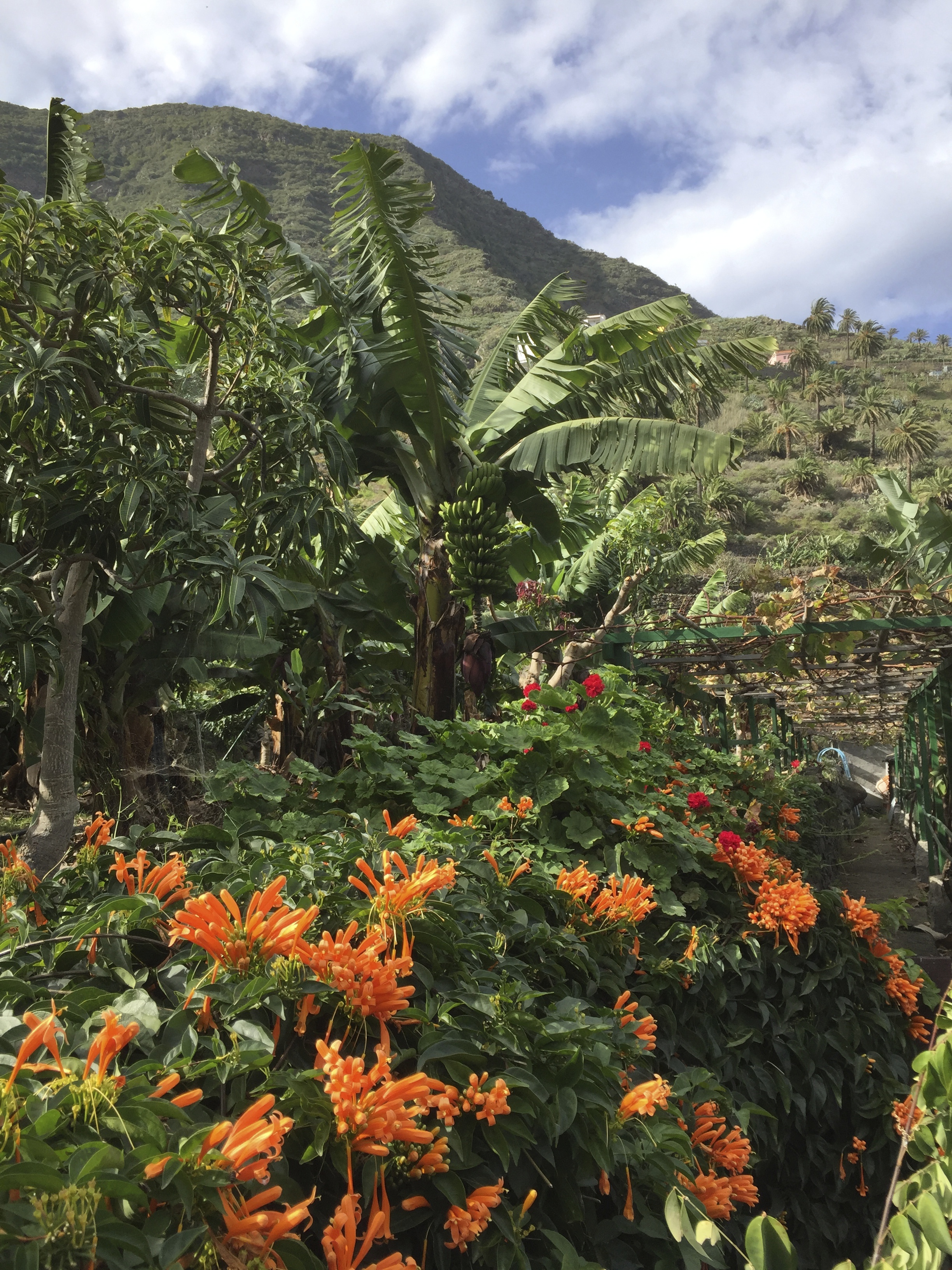
It was night and day difference from Tenerife.
While Tenerife is the largest Canary Islan, La Gomera is the second smallest with only
369.76 square kilometers of land area.

The inhabitants of La Gomera have an ancient way of communicating across deep ravines by means of a whistled speech called Silbo Gomero,
which can be heard 2 miles away. 
This whistled language is indigenous to the island, and its existence has been documented since Roman times.
We had a demonstration of this whistled language at lunch.....very interesting but no CDs or Podcasts.

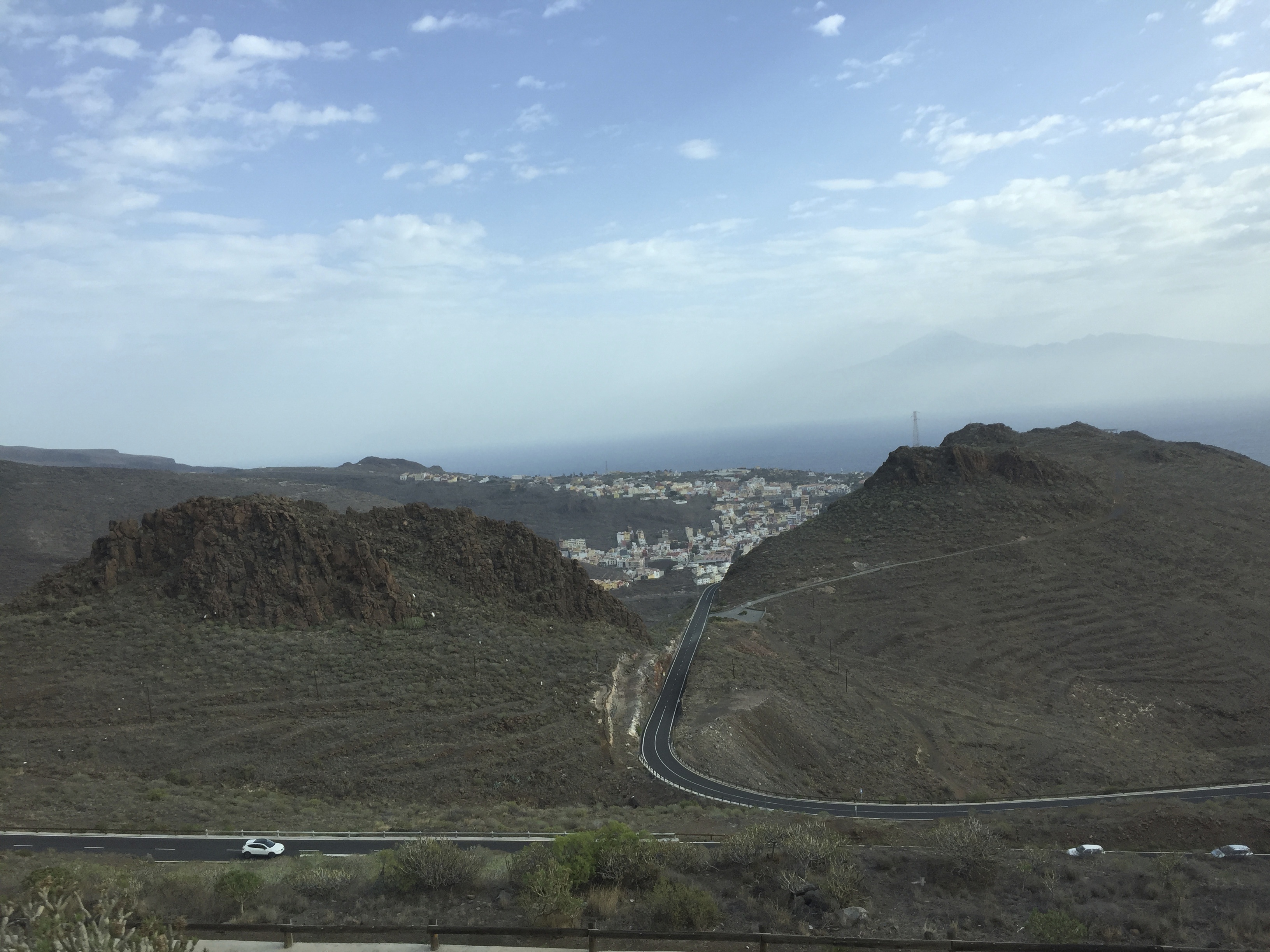
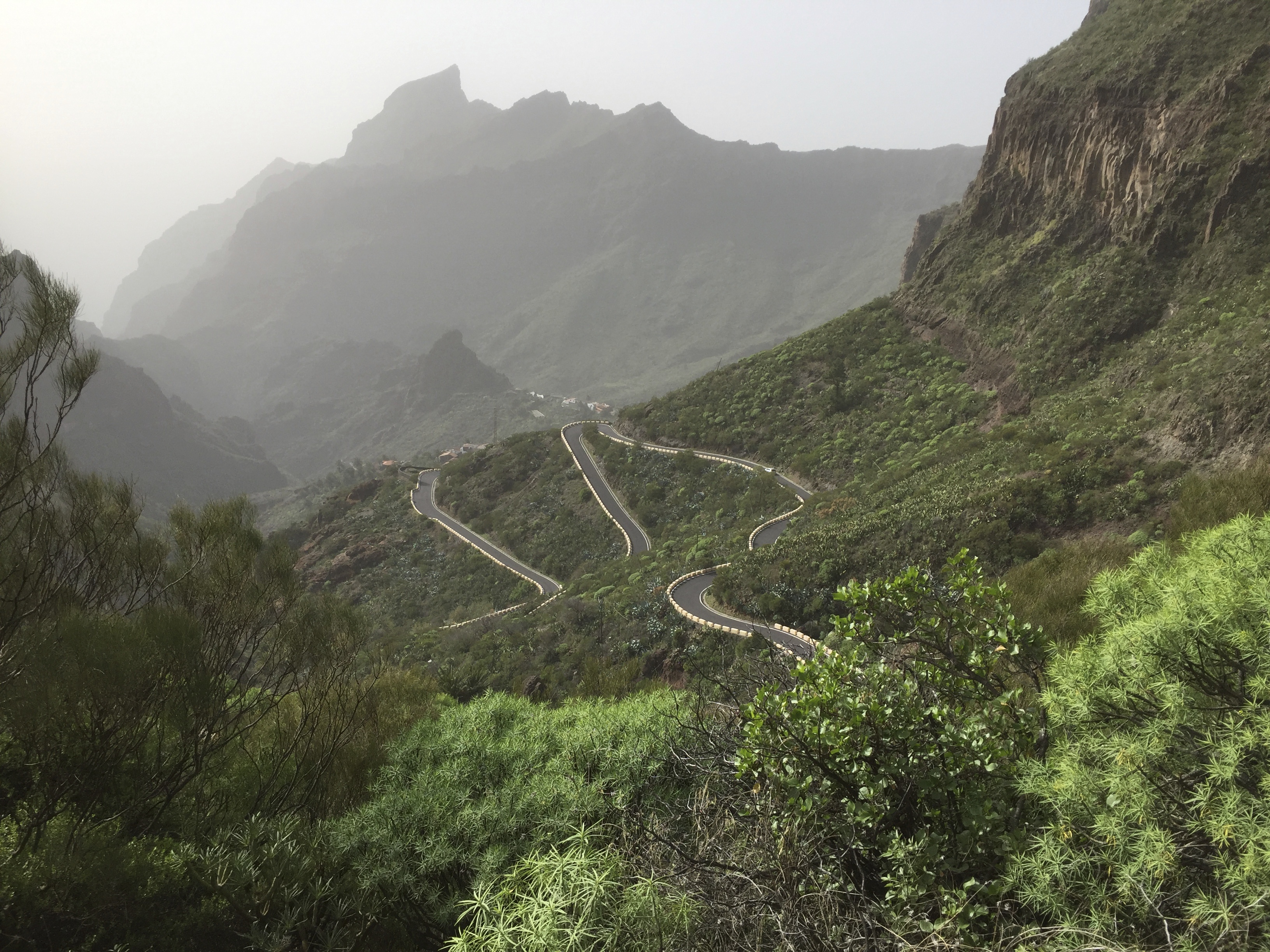
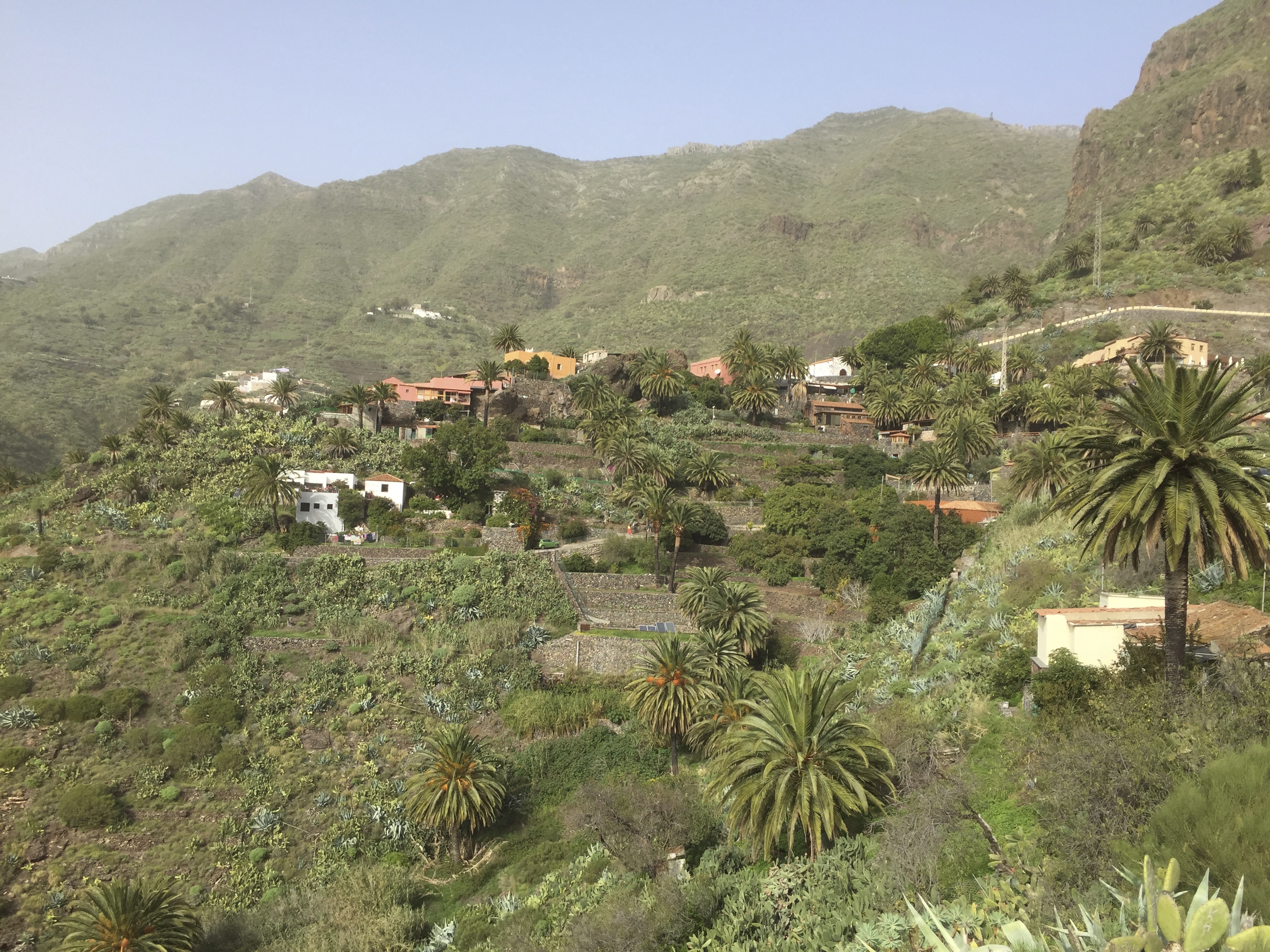
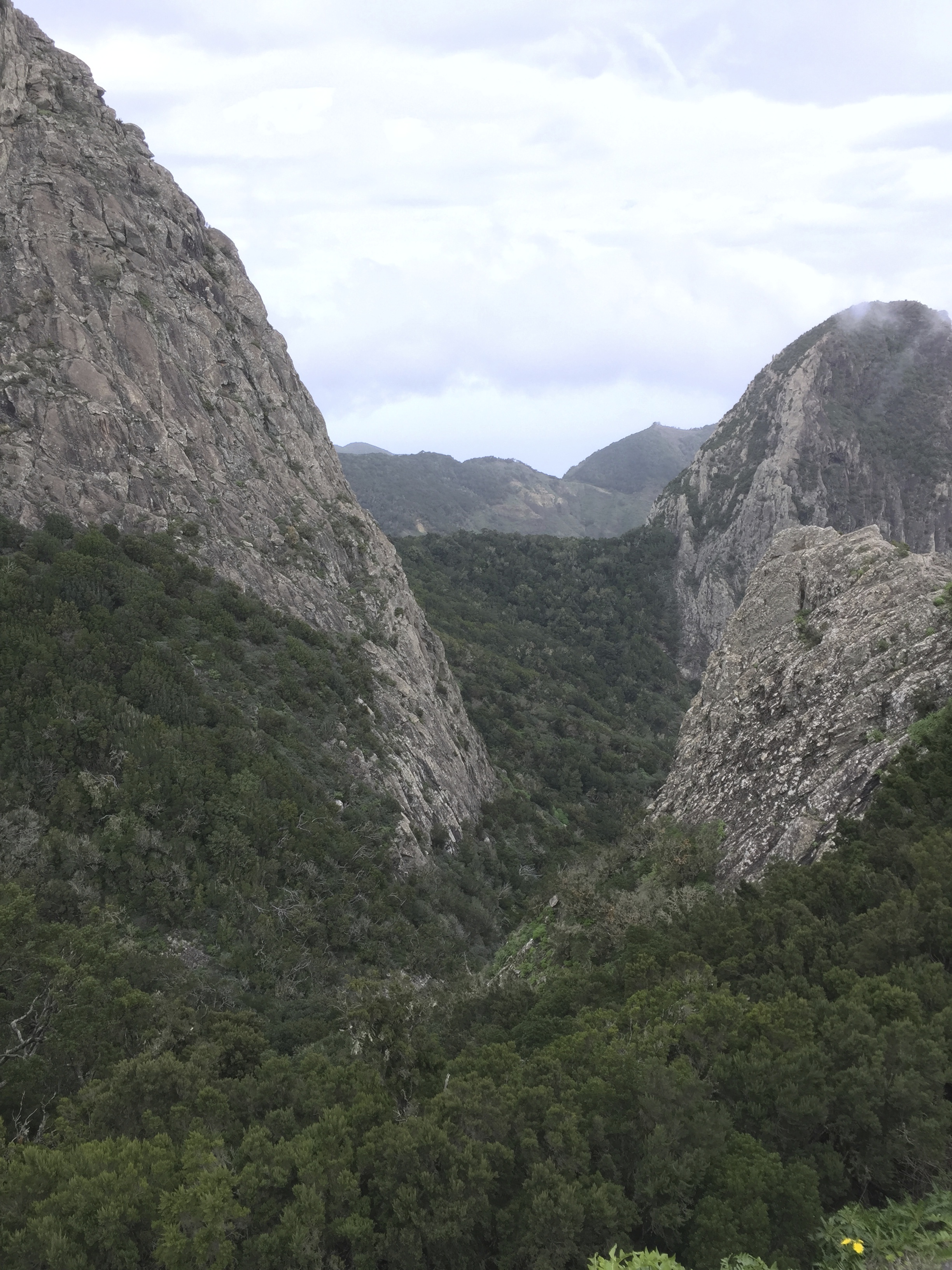
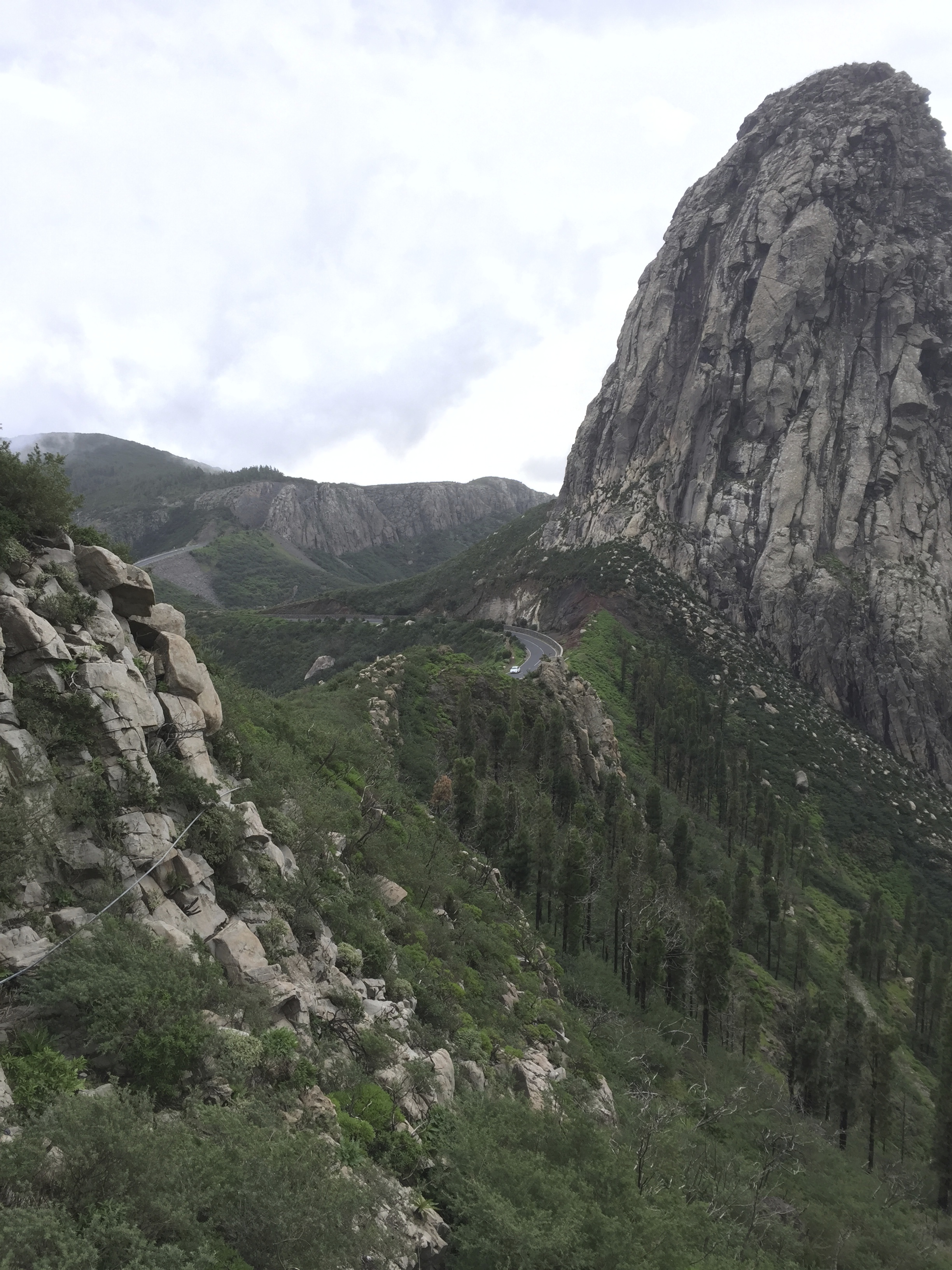
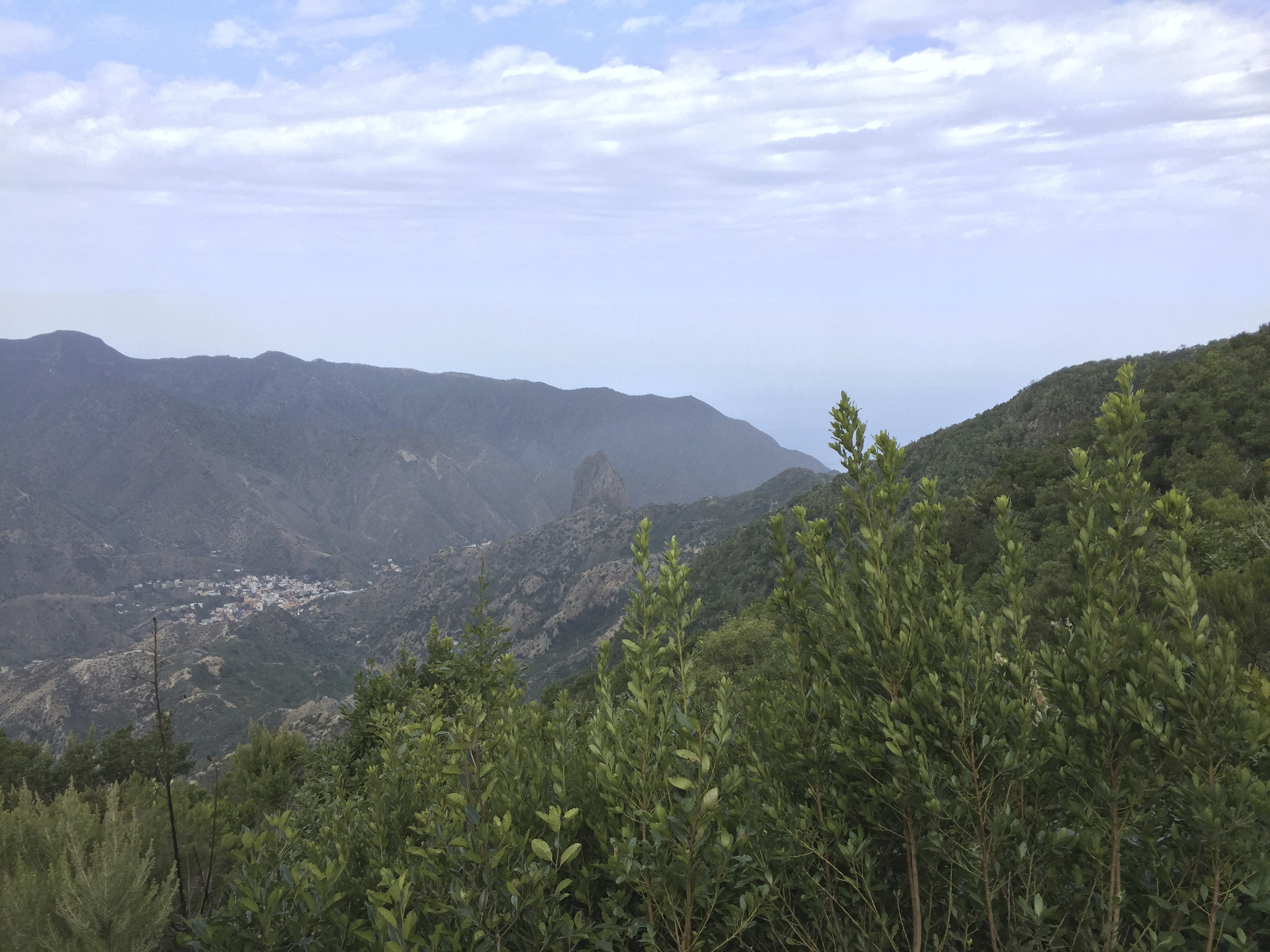
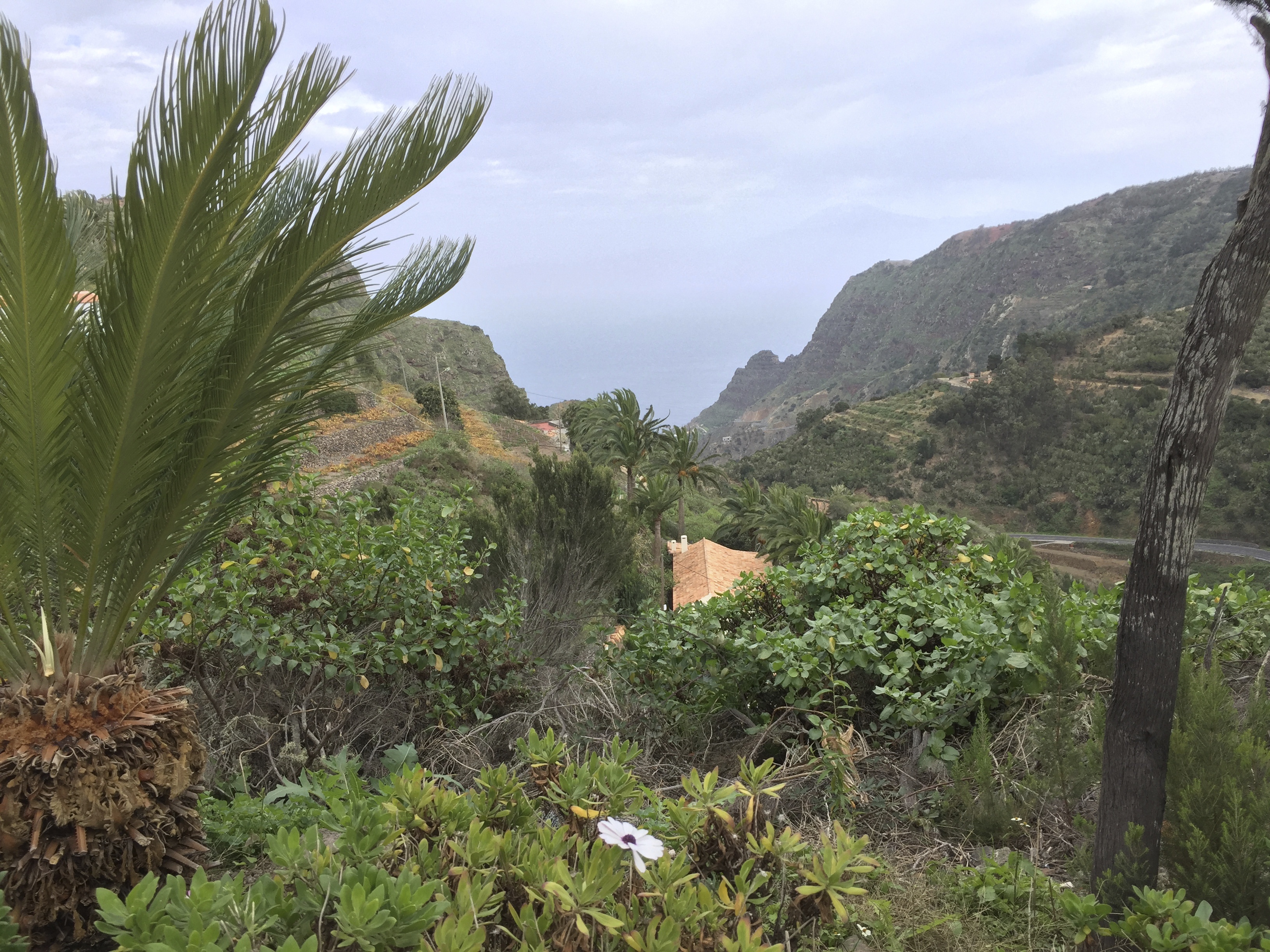
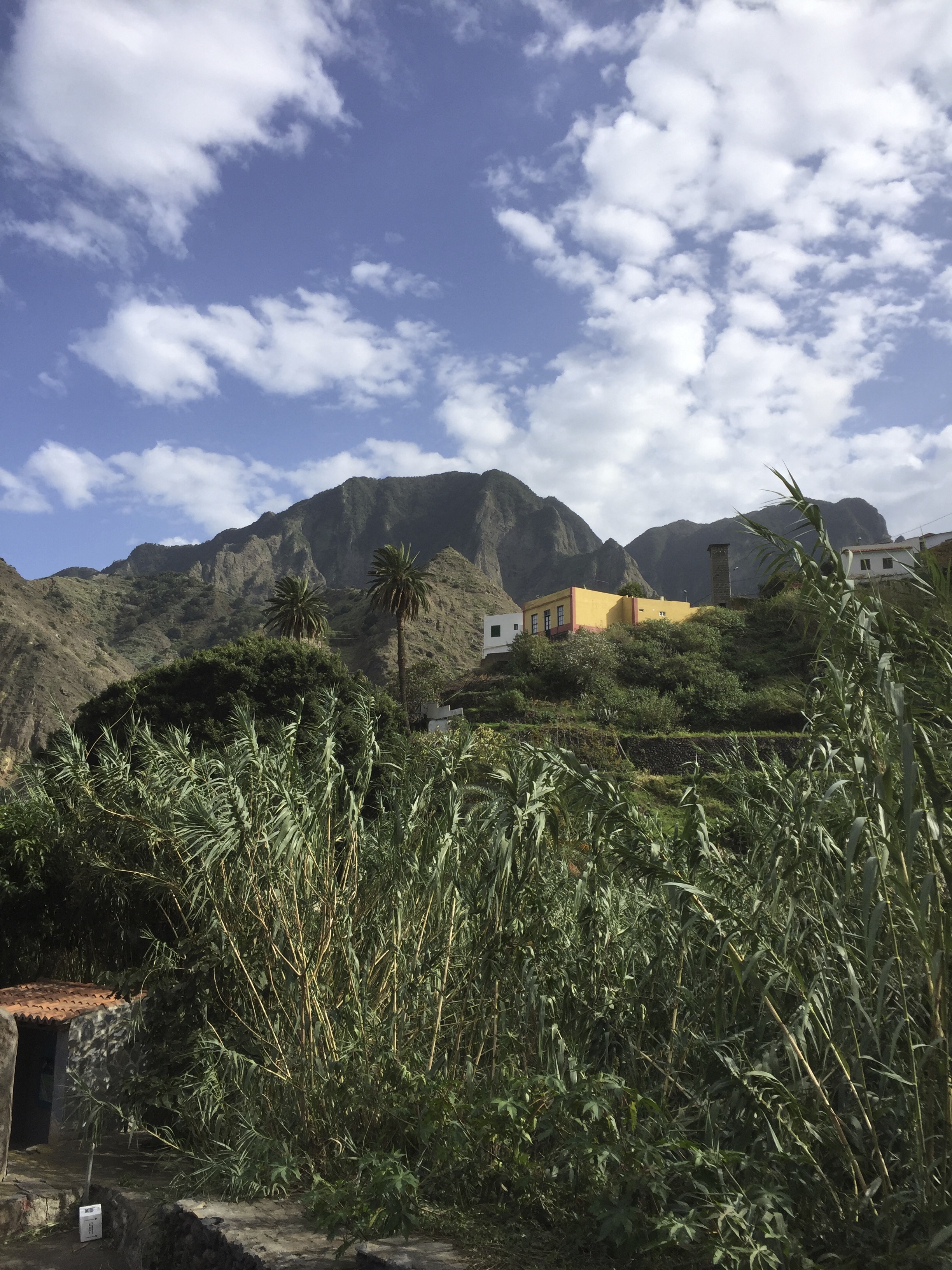
As you can see, La Gomera offers dramatic landscapes.
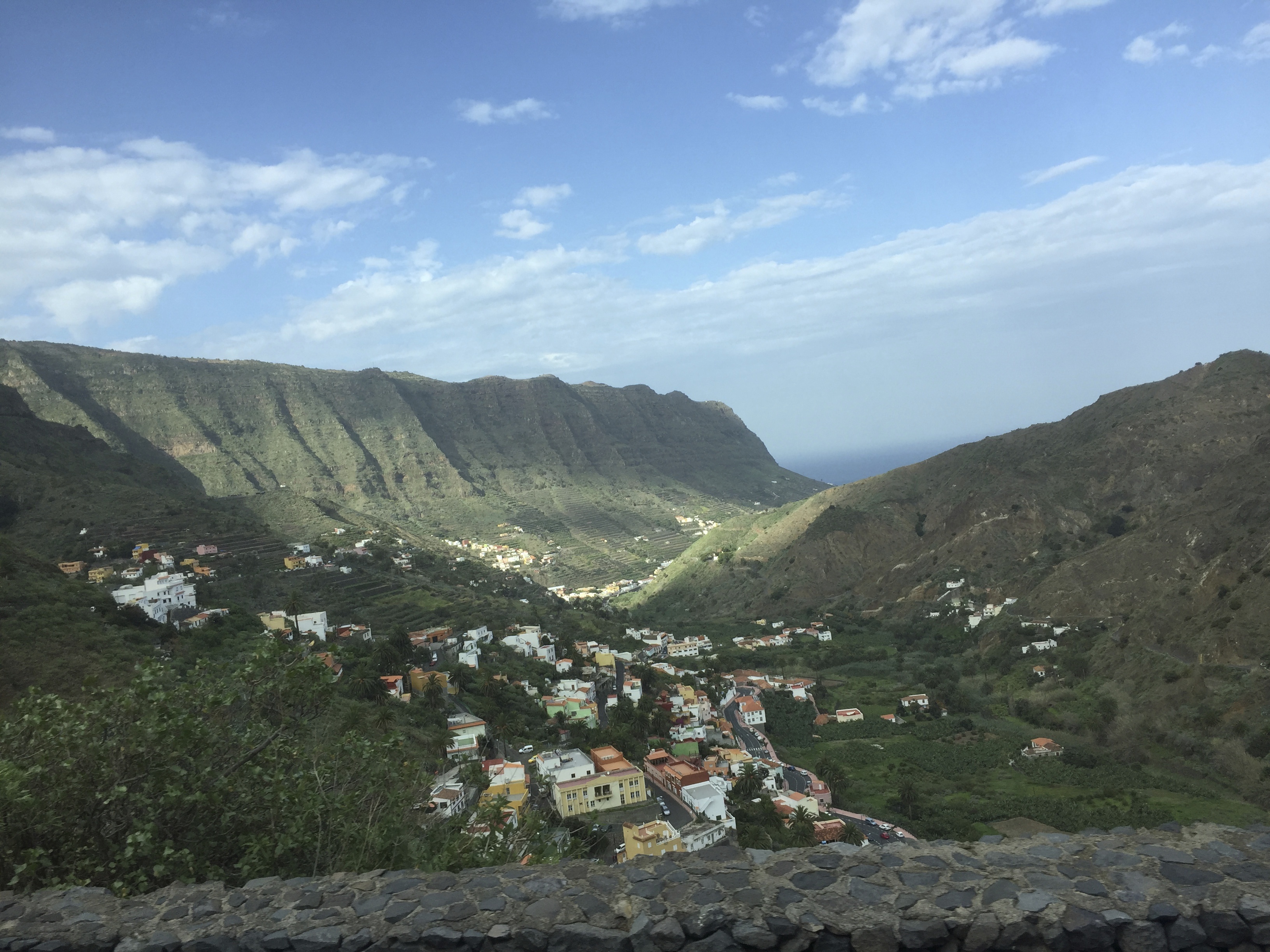


After a drive up and away from  the coast........


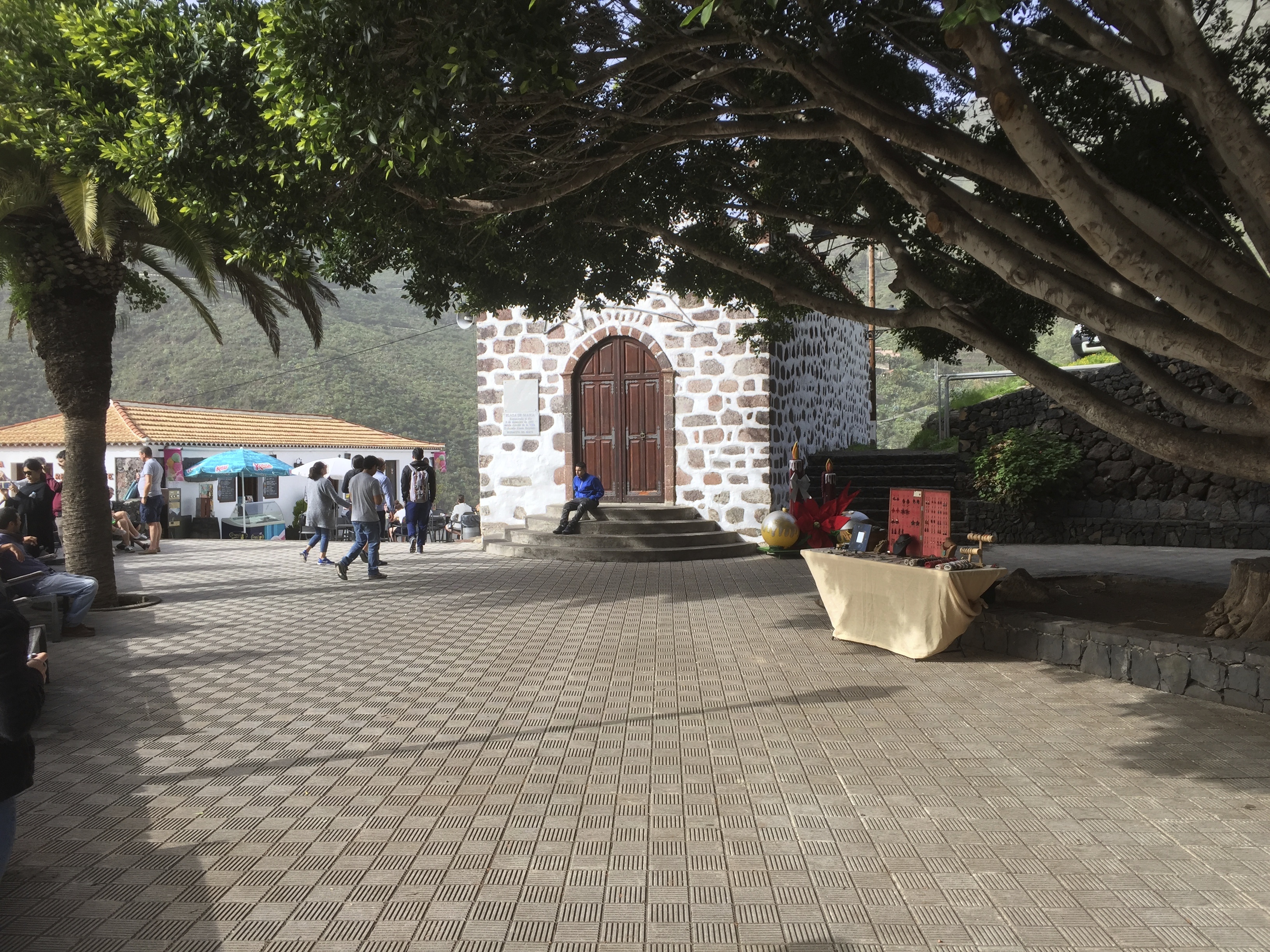
we descended into the village of Masca.


Seems Christoper Columbus' last port of call in 1492 was Gomera.
He may very well have used Masca as his landing place.


The village of Masca has only about 100 residents.
The road to drive down to it was built in the early 20th century.

So prior to that, Masca was basically cut off from the outside world.
The only practical access would have been to walk down the valley and to the sea some few miles away.

I've no doubt that in times past people were born, grew up, farmed and died there without ever leaving Masca.


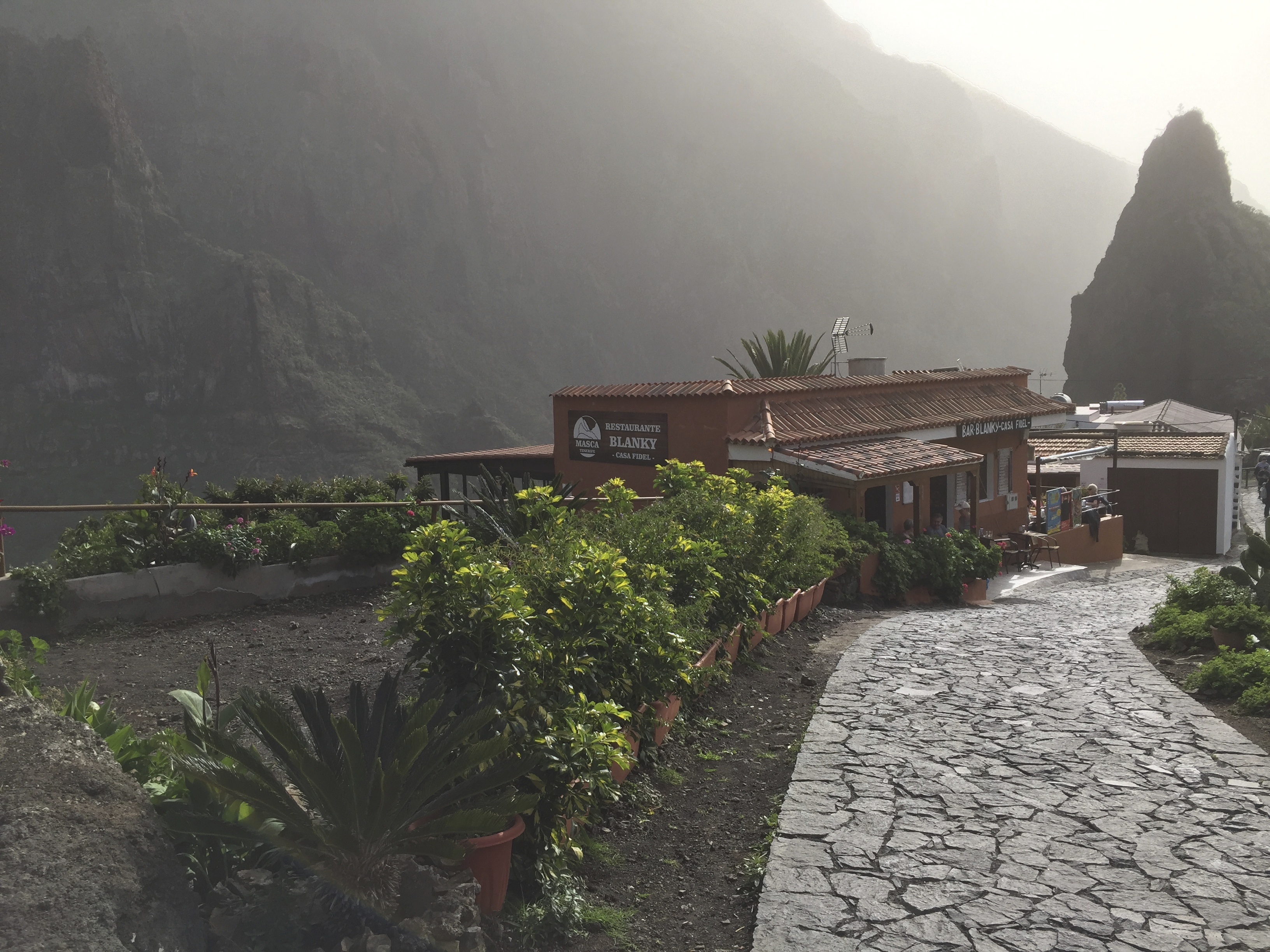
Masca is not so much a village as a gathering of buildings
built on the side of a cliff.


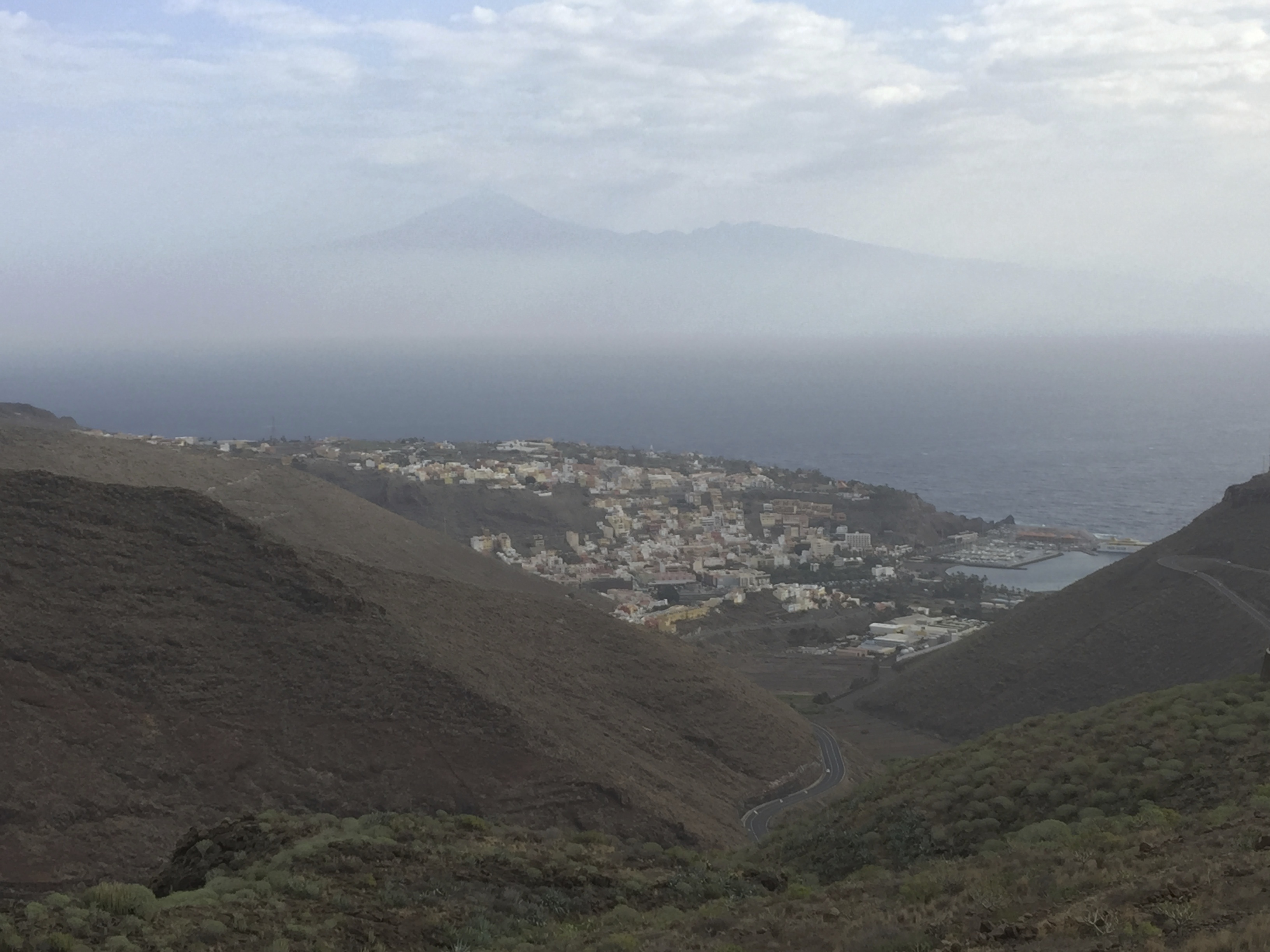
View looking back to Tenerife and Mt. Teide.


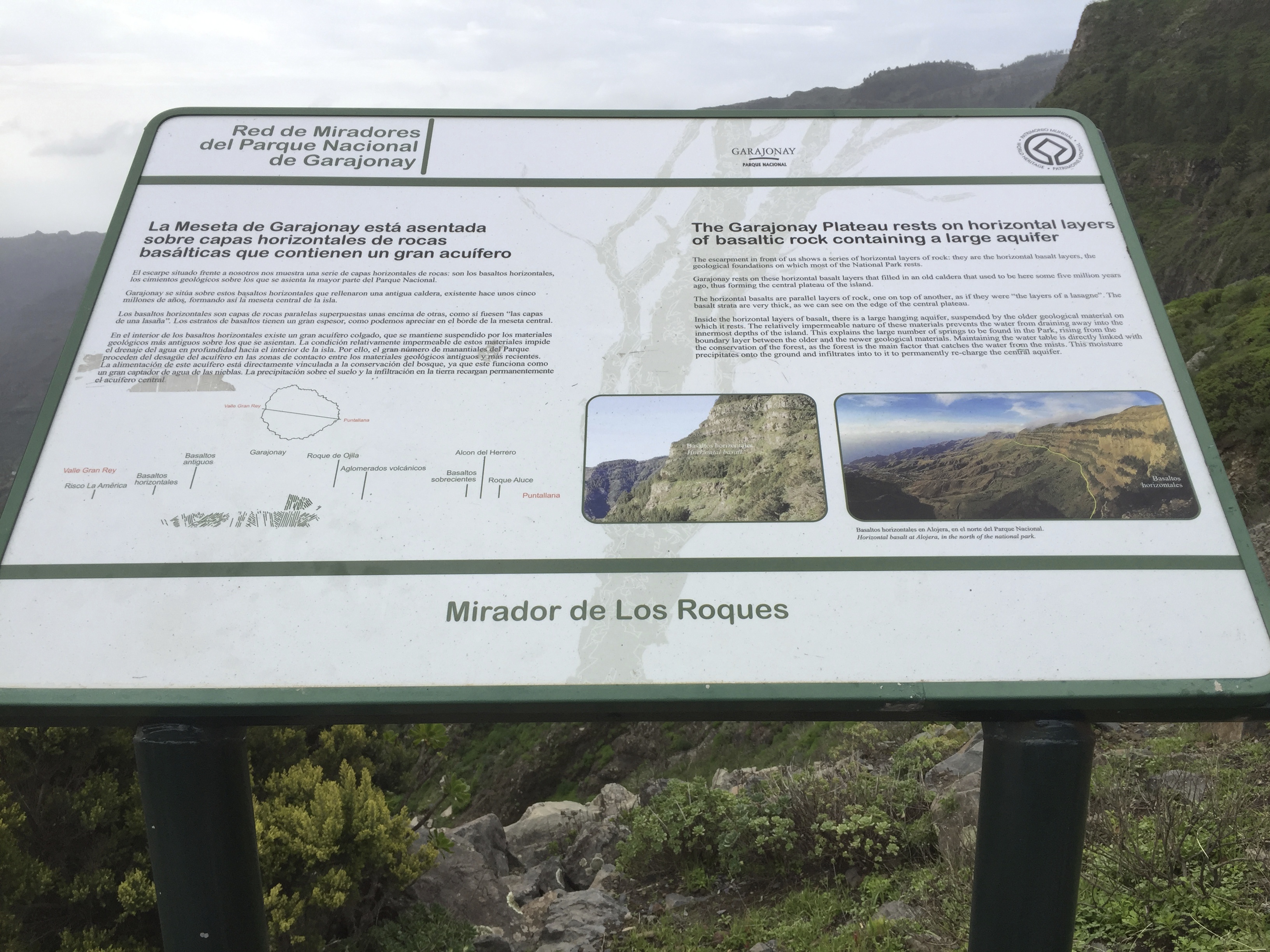
We've entered the Garajonay National Park.


First up are the Mirrored Rocks.


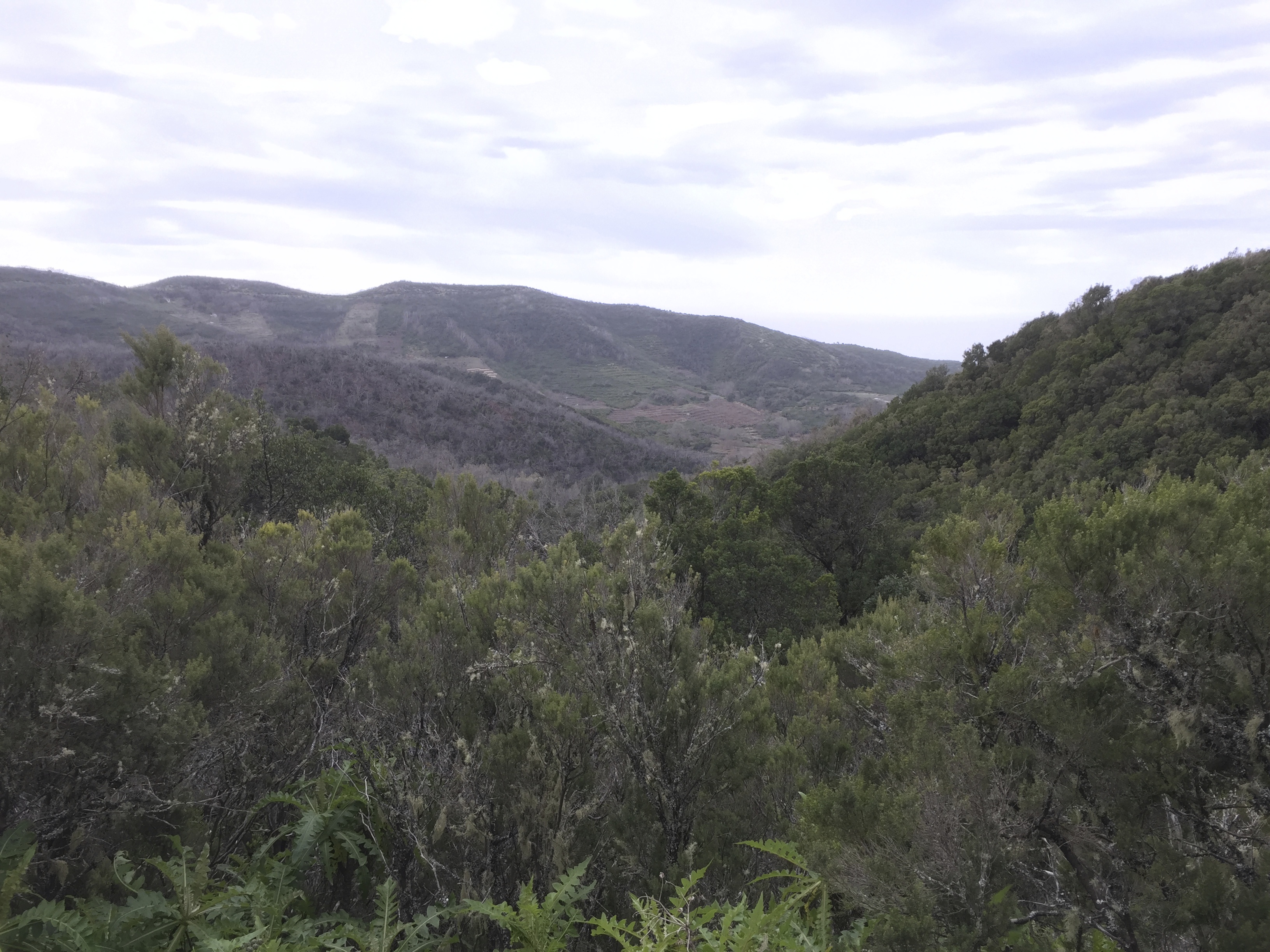
Here is their Laurel Forest in a re-growth.


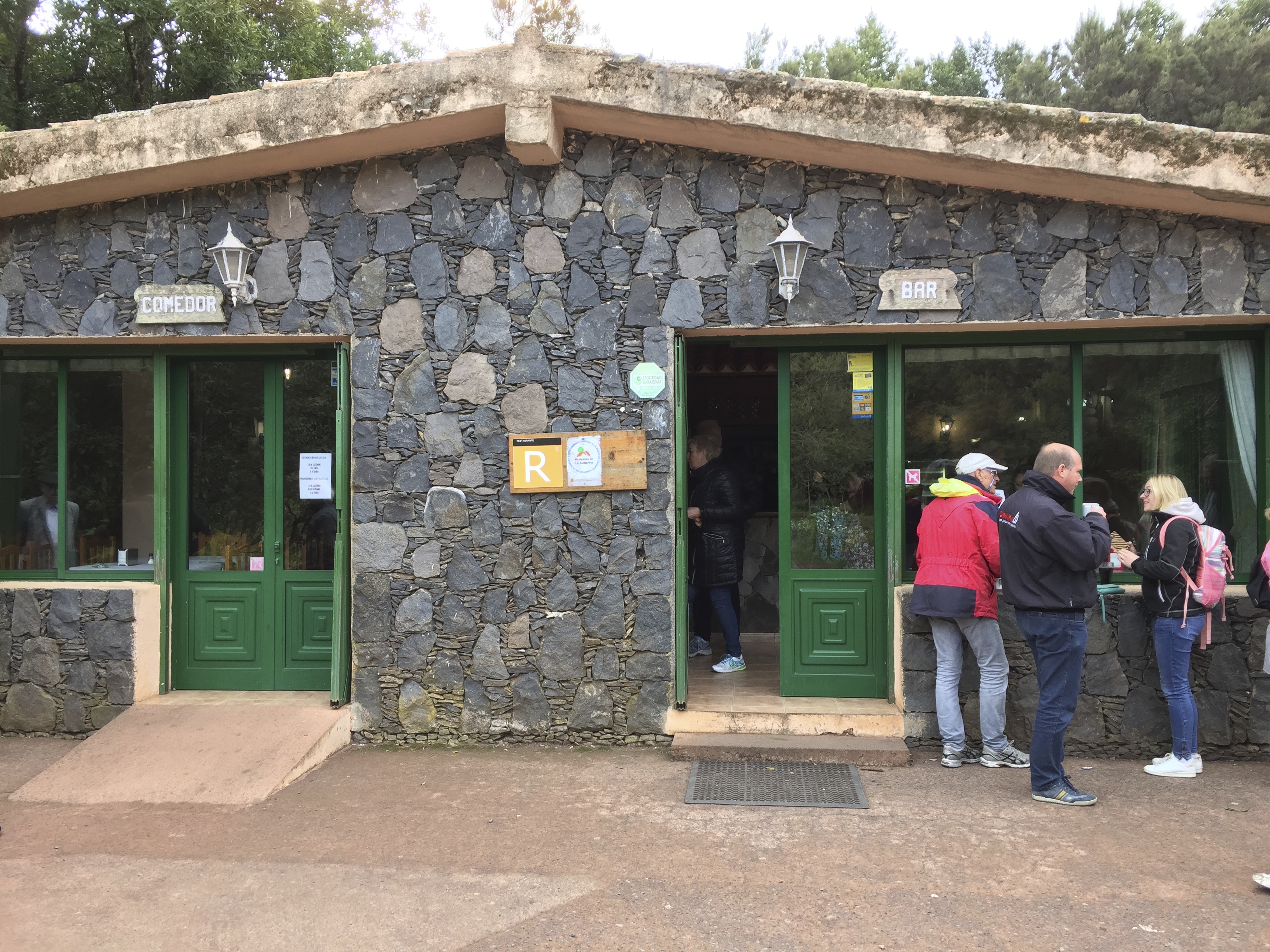
 On top of the mountains, it got to be a chilly day.


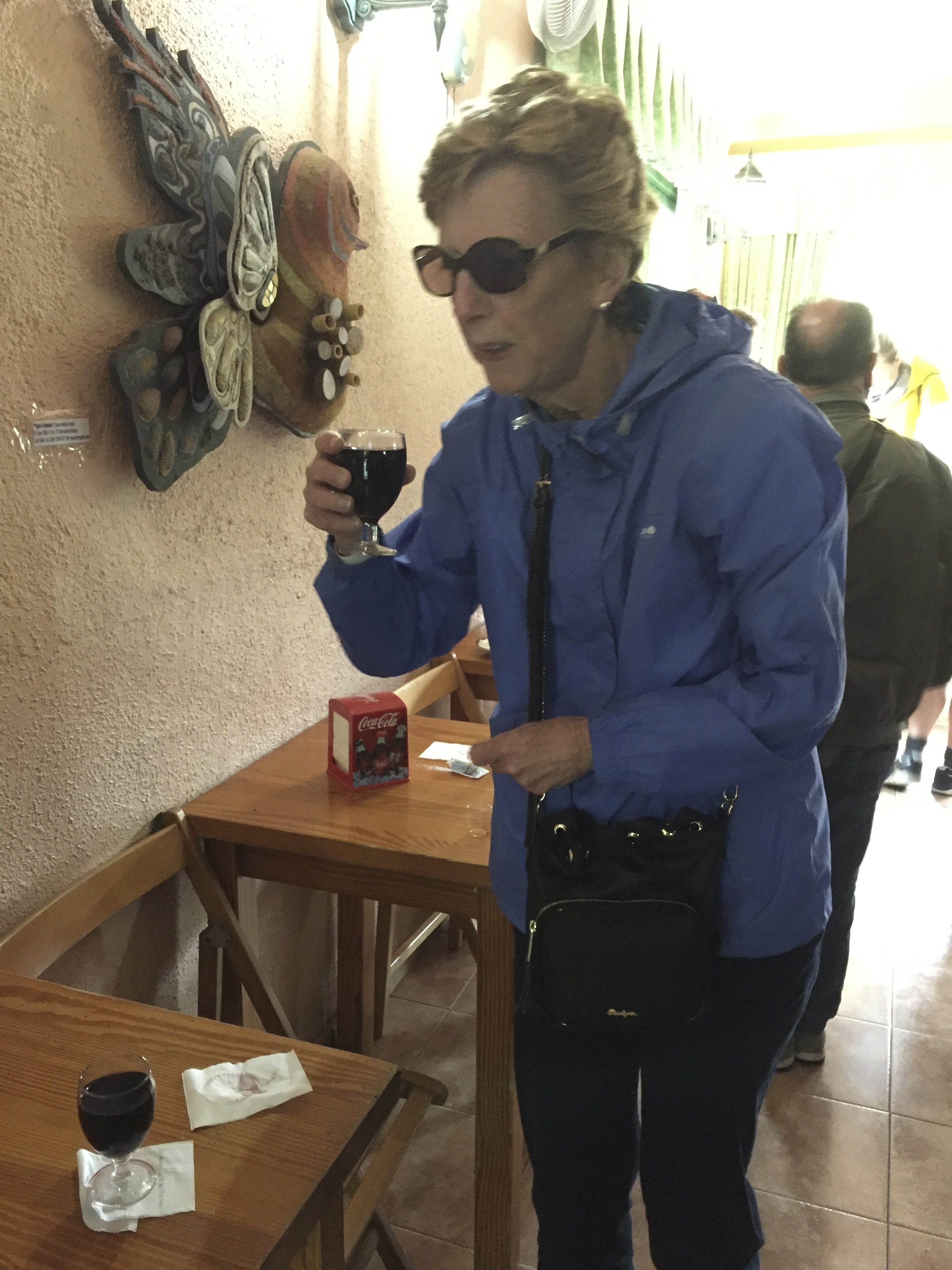
So, we joined in with some warmed wine - very good.


The bus ride back was advertised as a trip through a "beautiful valley".   And so it was, or at least we thought so.


Back                                        Next